(Viber, Whatsapp, Cell) +977 9851022814

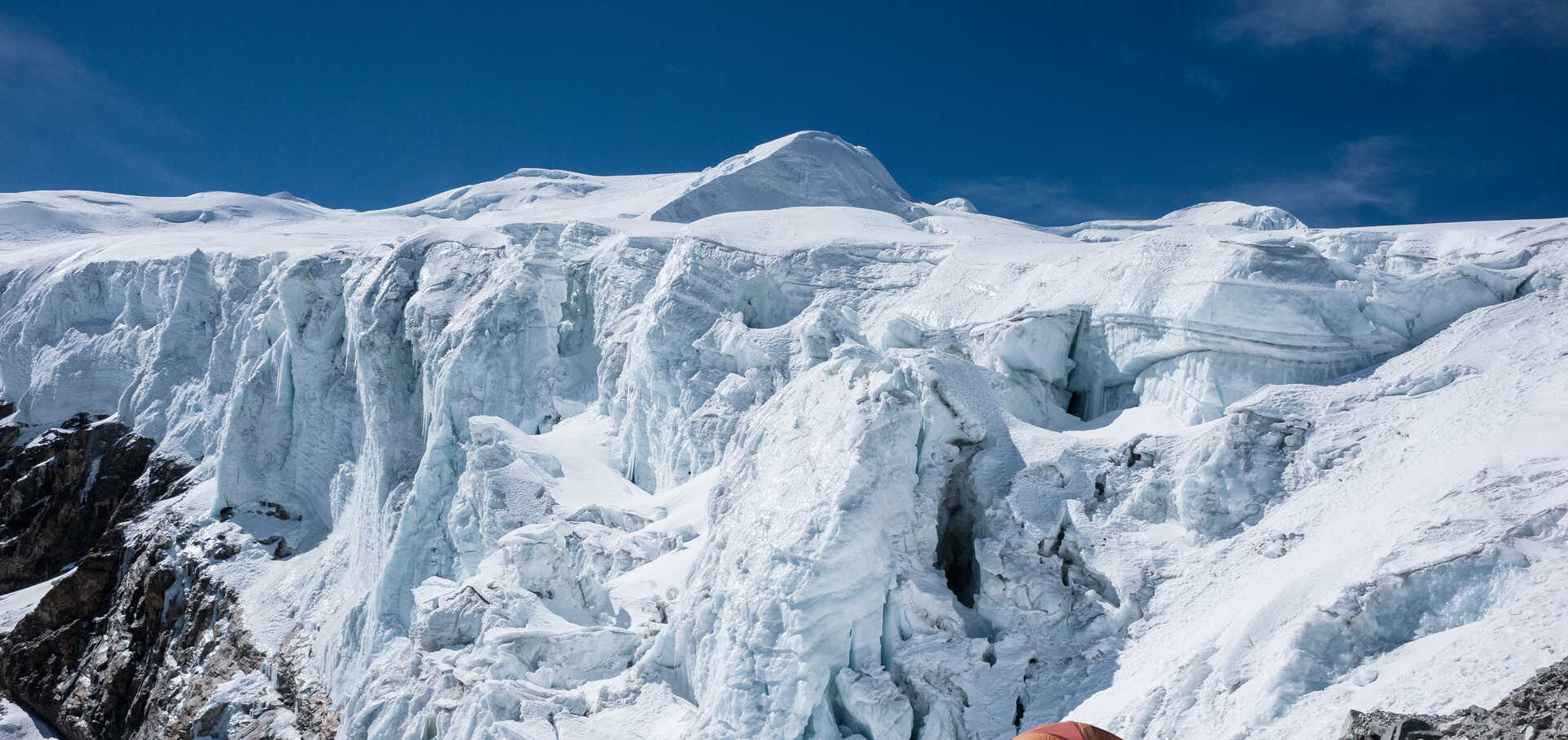
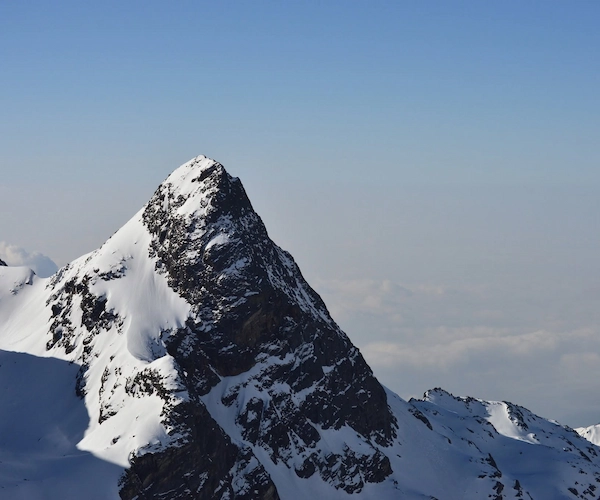
Mera Peak climbing is a thrilling adventure that combines trekking as well as mountaineering in Nepal’s Everest region just like the Island peak climbing, Lobuche peak climbing, Paldor peak climbing, Chulu west peak climbing and Ama Dablam expedition.. As the highest trekking peak in Nepal at Mera North (6,467 m), it offers a unique opportunity for climbers seeking to scale a Himalayan giant. This expedition provides breathtaking scenic views of Sagarmatha known the top of the world Mt. Everest (8,848.86m), Mt. Kangchanjunga(8,586m), Mt. Makalu (8,485m), and Mt. Lhotse (8,516m) and Mt. Cho Oyu (8,188m) making it a dream climb for adventurers.
Accordingly with the guidance of experienced Sherpa guides and a carefully planned trekking itinerary, you can turn this challenge into an unforgettable achievement starting from Kathmandu, the journey to Mera Peak takes you through Lukla, the Hinku Valley, and the Makalu Barun National park stunning landscapes. Along the way, climbers experience thrilling glacier walking, use of fixed ropes, and the ultimate exhilaration of reaching the summit.
J. O. M. Roberts and Sen Tenzing first climbed Mera Peak in 1953. Later, the standard climbing route was developed by famous French climbers Marcel Jolly, G. Baus and L. Honills in the early 1970s. Today, Mera Peak has become one of the most popular trekking peaks in Nepal for national (Nepali) and international(foreigners) climbers.
Day 1 Arrive in Kathmandu (1,325m/ 4,344ft)
Day 2 Mera Peak Climbing Preparation Day in Kathmandu (1,325m/ 4,344ft)
Day 3 Fly from Kathmandu (1,325m/ 4,344ft) - Lukla (2,860m/ 9,383ft) and Trek to Paiya (2,730m/ 8,956ft)
Day 4 Trek from Paiya (2,730m/ 8,956ft) – Panggom (3,093m/ 9,199ft)
Day 5 Trek from Panggom (3,093m/ 9,199ft) - Ningsow (6,476m/ 21,247ft)
Day 6 Trek from Ningsow (6,476m/ 21,247ft) - Chhatra Khola (3,122m/ 10,420ft)
Day 7 Trek from Chhatra Khola (3,122m/ 10,420ft) – Kothe (3,580m/ 11,745ft)
Day 8 Trek from Kothe (3,580m/ 11,745ft) – Thaknak (4,700m/ 15,420ft)
Day 9 Trek from Thaknak (4,700m/ 15,420ft) – Khare (5,045m/ 16,548ft)
Day 10 Acclimatization Day and Climbing Training at Khare (5,045m/ 16,548ft)
Day 11 Khare (5,045m/ 16,548ft) - Mera High Camp Summit Mera Peak (6,476m/ 21,247ft)
Day 12 Summit Mera Peak (6,476m/ 21,247ft) and Return to Khare (5,045m/ 16,548ft)
Day 13 Reserve Day for Contingency (6,476m/ 21,247ft)
Day 14 Trek from Khare (5,045m/ 16,548ft) – Kothe (3,580m/ 11,745ft)
Day 15 Trek from Kothe (3,580m/ 11,745ft) - Thuli Kharka (4,220m/ 13,800ft)
Day 16 Trek from Thuli Kharka (4,220m/ 13,800ft) - Lukla (2,860m/ 9,383ft) via Zatrwa La Pass (4,610m/ 14,800ft)
Day 17 Lukla (2,860m/ 9,383ft) - Fly Back to Kathmandu (1,325m/ 4,344ft)
Day 18 Final Departure for home country from Kathmandu International Airport (1,325m/ 4,344ft)
Mera Peak Climbing with Alliance Treks in October 2025 was amazing experience. Mera Peak Climbing inside the Makalu Barun National Park was my first time experience in Nepal in the Everest region but my climbing guide Dawa Sherpa did incredible job. I was nearly give up on the half of the way but Dawa’s motivation made it successful. It’s not so technical peak but you still have to be fit enough and have to have climbing experience respecting mountain and climbing rules.
15days in total made me bit harder but after successfully summiting the peak, I felt I can do Mt. Everest Expedition in the future. Views from the top of Mera Peak Climbing is breathtaking.
Thank you Kul and team, trekking guide Jay and porter Nim. I love to visit Nepal again and use Alliance Treks. I do recommend my many friends who are adventure lover.
Namaste !
Jason Timber
Sydney, Australias
Mera Peak climbing is a thrilling adventure in the Himalayas with breathtaking views of Everest, Lhotse, and Makalu. With an altitude of 6,476 meters, it presents a thrilling experience for beginners as well as seasoned climbers. Alliance Treks provides a well organized expedition with expert advice, logistics, and safety features for a successful summit attempt.
While you do summit of Mera Peak, there is always the best opportunity to see the best Himalayas which are the world renown and famous for the climbers.
Therefore, many climbers describe Mera Peak as one of the best viewpoint summits in Nepal.
A standard Mera Peak climbing itinerary takes about 13 days, with the first day being dedicated to flying from Kathmandu to Lukla. Trekkers visit several villages, and finally, they trek to Khare, where acclimatization will start. The route includes Zatra La Pass to Mera Peak, then further to Mera Peak base camp logistics before advancing to Khare to Mera High Camp route. All these trips have a high acclimatization component and are designed to prevent altitude sickness on Mera Peak, making a climb up safer.
Many climbers inquire about, “How difficult is Mera Peak climbing?”. Compared to technical challenges, the main Mera Peak climbing difficulty is high altitude. Nevertheless, the Mera Peak vs Island Peak climbing difficulty comparison reveals that Mera is less technical and more of an endurance challenge, so good acclimatization is important. Compared to Mera Peak vs Lobuche East difficulty or Mera Peak vs Ama Dablam expedition for beginners, Mera works well for climbers beginning their first foothills of high altitude mountaineering.
The Mera Peak climbing cost depends upon the expedition package, guides’ services, and logistics. Generally, it runs on $2,250 as Mera Peak climbing prices. The Mera Peak expedition cost covers permits and Mera Peak climbing permits and fees, guides, accommodation, meals, and internal flights. For local climbers, permit discounts keep the Mera Peak climbing cost for Nepali climber’s price low. There is a cheaper alternatives to Mera Peak expeditions with fewer amenities for those who want to climb Mera Peak an inexpensive way.
The best time to climb Mera Peak is during pre-monsoon (spring) between Mera Peak climbing season April/May and during post-monsoon (autumn) in Mera Peak climbing in October/ November. The weather for Mera Peak climbing in winter is unfriendly due to severe cold and snow, while winter climbing on Mera Peak risks become very difficult in winter.
A training program for Mera Peak climbing includes practicing endurance, strength, and altitude training. Ice axe and crampon techniques for Mera Peak should be practiced, and a proper acclimatization schedule for Mera Peak should also be considered to reduce risks in the mountains. For further information, please refer to How to prepare for trek in Nepal page.
A proper Mera Peak climbing gear and packing list includes:
The Mera Peak climbing permit requirements include:
The expedition flights start from Mera Peak climbing from Kathmandu/Lukla and then continue to Lukla. Trekkers from there follow the classic route to Mera Peak trek (mixed intent trek vs. climb) via remote villages to base camp. Weather conditions on Mera Peak are variable, extreme cold and high winds prevail at higher elevations. Climbers should check weather predictions and prepare for unpredictable changes. For further information, refer to our weather and climate in Nepal page.
The debate goes on between guided vs Independent Mera Peak climbing. Though independent climbs are cheaper alternatives, guided ones are safe, logistically supported, and assisted by experts, thereby tilting the success rate of Mera Peak expeditions. However, according to the latest trekking rules in Nepal, the Nepal government has made guides mandatory in Nepal to have a safe and secured trip.
Emergency oxygen use on Mera Peak (optional/emergency) would be used for severe altitude sickness rescue operations on Mera Peak. Rescue operations on Mera Peak are carried out with helicopter evacuations, and this encourages the safety of climbers. Furthermore, please make sure that you must have travel insurance in Nepal just in case of some emergencies like rescue operations.
The Mera Peak summit success stories have been written by many of the climbers who have shared success and failure situations that they faced during their climbs. Also, the Mera Peak climbing challenges and failures vary according to preparation, fitness, and weather conditions.
Just as mentioned above, for high altitude evacuation and medical emergencies, Mera Peak expedition insurance requirements are for climbers, while travel insurance provides coverage against the unforeseen.
Responsible tourism ensures eco-friendly Mera Peak expeditions, minimizing environmental impact and promoting sustainable climbing. It is quite common for climbers to take inspiring Mera Peak summit photos/videos from the top and then share their Mera Peak climbing blog experience to motivate others to try it out.
The selection of best agencies for Mera Peak expeditions is paramount. Well-managed packages with experienced guides, ensuring a safe and memorable experience, are offered by Alliance Treks with it own 34 years experience in the Nepalese Travel Trade (since 1992). Mera Peak climbing comes as a demanding task for any self-liking adventure. Climbers can ascend this grand peak with careful planning, proper training, and good equipment. Choosing a reliable agency like Alliance Treks guarantees safety and success for a great experience in the Himalayas.
Alliance Treks & Expedition Pvt. Ltd. Once is not enough for naturally and culturally Himalayas